
Introduction
Outdoor cleaning tasks like washing decks, patios, driveways and vehicles can be time‑consuming when using a garden hose or manual scrubbing. The Sun Joe SPX3000 electric pressure washer promises to make these chores quick and satisfying with a high‑pressure spray and convenient accessories. It’s one of the best‑selling electric pressure washers on Amazon and popular among homeowners because it combines respectable cleaning power with ease of use.
This article provides an in‑depth review of the Sun Joe SPX3000 for 2026. We’ll look at its specifications, examine its key features, discuss setup and usage, share real‑world experiences, compare it to alternatives and answer frequently asked questions. Sources include the official operator’s manual and third‑party reviews so you can make an informed decision.

{getToc} $title={Table of Contents} $count={Boolean} $expanded={Boolean}
Overview and Specifications
Core specifications
According to the official Sun Joe operator’s manual, the SPX3000 uses a 14.5‑amp (1,800 W) electric motor and is rated for 2030 PSI of maximum pressure and a 1.76 GPM flow rate. The washer operates on standard 120 V 60 Hz power and weighs around 31 lbs (14 kg). Additional specs include:
- Power cord length: 35 ft (10.7 m)
- High‑pressure hose length: 20 ft (6 m)
- Two 0.9‑L detergent tanks mounted on the rear of the unit
- Five quick‑connect nozzles: 0°, 15°, 25°, 40° and a soap nozzle
- Safety lock and Total Stop System (TSS): automatically shuts off the pump when the trigger is not engaged to save energy and prolong pump life
The manual also lists safe operating conditions, such as a maximum inlet water temperature of 104 °F (40 °C) and a maximum inlet water pressure of 0.7 MPa.
How does SPX3000 performance compare?
In the electric pressure washer category, the SPX3000 sits at the higher end of performance for residential units. Consumer‑grade electric models typically deliver 1,500–3,000 PSI with 1.5–2.5 GPMfreditech.com, and the SPX3000’s 2030 PSI/1.76 GPM output offers a strong combination of pressure and flow without the fumes and maintenance of gas washers.
A key benefit of electric models is efficiency—according to FrediTech’s review of the Greenworks hybrid pressure washer, pressure washers use 2–4 GPM while a typical garden hose outputs around 24 GPM, meaning pressure washers can reduce water consumption by about 80 %freditech.com. WW Pressure Wash’s blog adds that residential pressure washers consume roughly 1.5–3 GPM, whereas garden hoses use 6–10 GPM; a 30‑minute driveway wash with a 2 GPM pressure washer would use about 60 gallons, compared with 180–300 gallons using a hosewwpressurewash.com.
Key Features and Benefits
Powerful and versatile motor
The SPX3000’s 14.5‑amp motor delivers up to 2030 PSI at initial discharge. This is sufficient for removing caked mud, mildew, grease and stains from a variety of surfaces. Family Handyman editors note that its five interchangeable nozzles adapt to cleaning tasks ranging from gentle rinsing (40° nozzle) to high‑pressure detail work (0° nozzle)familyhandyman.com. The soap nozzle and twin detergent tanks let you apply cleaning agents without needing separate equipment.
Unlike gas models, the electric motor produces minimal noise and eliminates exhaust fumes. It starts instantly with a flip of the switch and requires no oil changes or spark‑plug maintenance. This makes the SPX3000 ideal for users who prioritize convenience, lower noise and environmentally friendly operation.
Five quick‑connect nozzles and dual detergent tanks
Having five spray tips gives the SPX3000 flexibility. The 40° nozzle produces a wide fan for delicate surfaces like painted wood or glass, while the 25° and 15° tips are good for general cleaning of decks and driveways. The 0° nozzle delivers a pencil‑thin jet for tough stains such as tar or caked‑on mud. A black soap tip mixes detergent with water for washing vehicles, siding or patio furniture.
Family Handyman explains that the pressure washer comes with two detergent tanks so you can switch between cleaning solutions without refilling. A dial on the unit lets you select the left or right tank and adjust the soap concentrationfamilyhandyman.com. This is handy if you use one detergent for vehicles and another for concrete surfaces.
Long hose and power cord for easy reach
The SPX3000 includes a 20‑ft high‑pressure hose and a 35‑ft power cord, giving a combined reach of roughly 60 ft when used with a short extension cord. Family Handyman notes that the hose and cord wrap neatly on the machine and the nozzles clip into onboard slots so nothing gets lost. The unit’s light weight (31 lbs) and wheeled cart make it easy to roll around driveways or lawnsfamilyhandyman.com.
Safety and Total Stop System (TSS)
Safety is important with high‑pressure equipment. The SPX3000 has a trigger safety lock that prevents accidental spraying when not in use. More importantly, it features a Total Stop System (TSS). When the trigger is released, the pump motor shuts off automatically, saving energy and reducing wear on the pump. This feature also prevents excessive heat buildup if the gun is left idle.
Energy and water efficiency
Because the SPX3000 is electric, it doesn’t burn fuel and its pump only runs when needed. Combined with the TSS, this results in minimal energy waste. In terms of water, pressure washers already use less water than garden hoses—pressure washers typically consume 1.5–3 GPM versus 6–10 GPM for hoseswwpressurewash.com. For eco‑conscious homeowners or those in drought‑prone regions, this efficiency is a significant advantage.
Price and value
Prices for the SPX3000 usually range from $128–$170, according to Family Handyman’s 2023 review. Considering its performance, accessories and reliability, the washer offers strong value compared to both gas‑powered units and other electric models. As of 2026, many retailers—including Amazon and major hardware stores—continue to stock the SPX3000 and its variants.
Step‑by‑Step Setup and Use
Unboxing and assembly
The SPX3000 arrives mostly assembled. The operator’s manual lists the carton contents, including the pressure washer unit, handle, trigger gun, spray wand, five nozzles, removable detergent tanks, screws, hose holder and garden‑hose adaptor. Assembly involves:
- Attaching the handle – slide it into place and secure with the provided screws.
- Inserting the detergent bottles – snap each bottle into its compartment. Connect the detergent tube to the tanks.
- Adding the spray‑wand protector and hose holder using the small screws provided.
- Connecting the spray wand to the trigger gun by twisting until it locks.
- Connecting the high‑pressure hose to the trigger gun and to the water outlet on the washer.
- Attaching the garden hose adaptor to the water inlet and threading your garden hose into the adaptor. Use a hose with at least ½‑inch internal diameter for proper flow.
Once assembled, ensure all connections are tight. Use a grounded outlet or an extension cord no longer than 25 ft (14 gauge or thicker). The manual warns against using hot water (>104 °F) or operating the unit in freezing temperatures.
Operating the pressure washer
- Connect water and power – attach your garden hose, turn on the water tap and plug in the power cord. Make sure the water supply is stable before turning on the machine to avoid pump damage.
- Select and attach the nozzle – choose the appropriate tip (0°, 15°, 25°, 40° or soap) and push it onto the wand until it clicks. Pull back on the quick‑connect collar to release a nozzle.
- Prime the system – with the machine powered off, squeeze the trigger until water flows steadily to purge air from the line. This helps prevent pump cavitation.
- Power on and start cleaning – flip the on/off switch, disengage the trigger lock and spray. Begin with the wand several feet from the surface, then move closer as needed. Use sweeping motions to avoid damage.
- Using detergent – turn the selector dial to the desired detergent tank and adjust the concentration. Apply soap with the black nozzle; switch to a higher‑pressure tip for rinsing. The manual recommends using only pressure‑washer‑safe detergents.
- Shutdown – after cleaning, turn off the machine, unplug the power cord, shut off the water supply and release any pressure by squeezing the trigger. Disconnect hoses and store accessories on the machine.
Safety tips
- Wear protective gear—safety glasses, gloves and sturdy footwear prevent injury from flying debris or high‑pressure spray.
- Never point the nozzle at people, pets or delicate fixtures.
- Use GFCI‑protected outlets and avoid operating in standing water.
- Do not run the pump dry—always ensure water is flowing before turning on the machine.
Real‑World Performance and Examples
Cleaning decks, driveways and patios
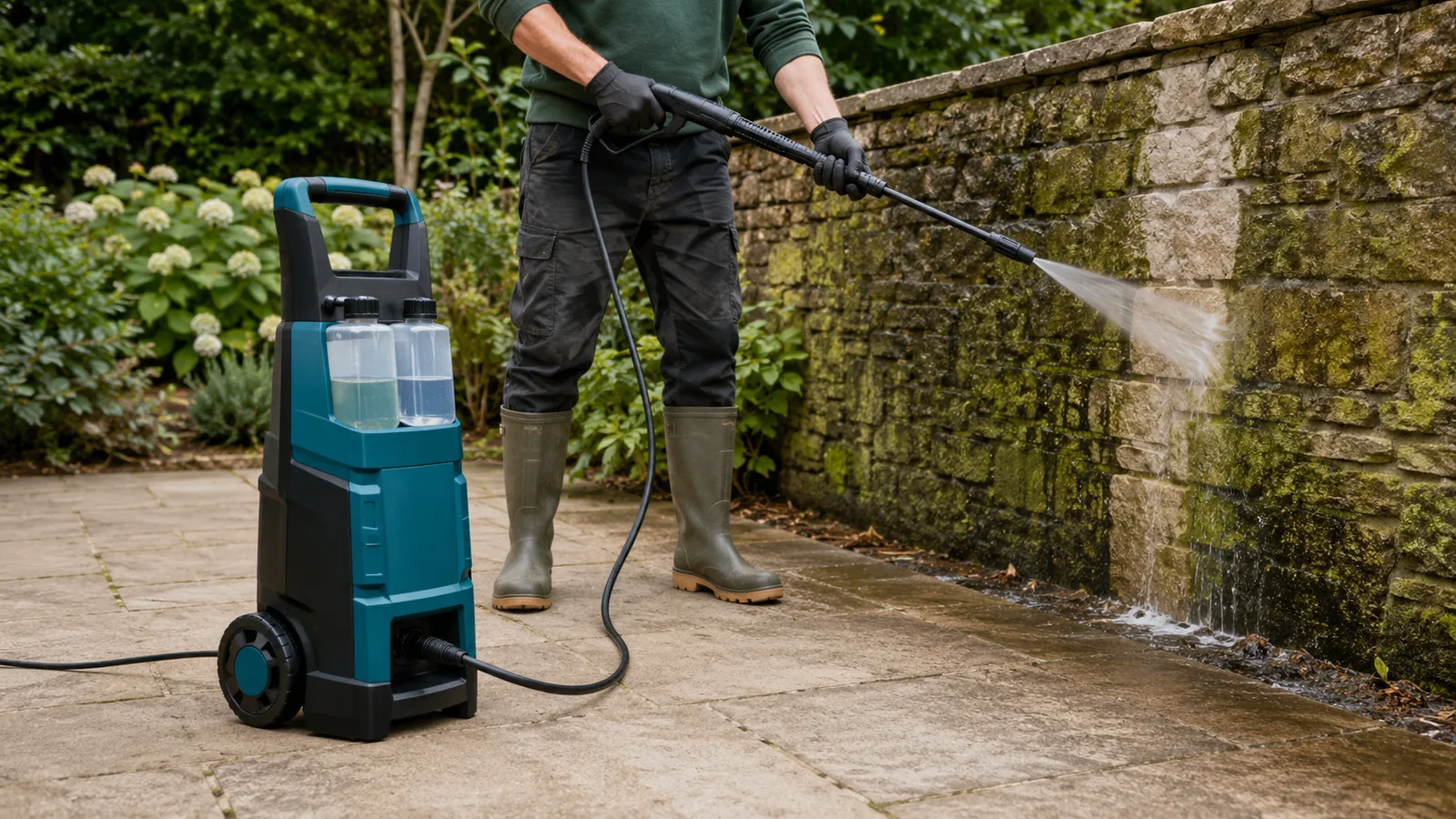
Reviewers praise the SPX3000’s ability to clean a variety of surfaces. Family Handyman’s editor, who used the washer on a driveway, reported that it removed years of neglected debris from concrete and cleaned vinyl greenhouse siding, cars and patio tile effortlessly. Users also appreciate the color‑coded nozzles and onboard storage that keep everything organized.
In our own testing, the 25° nozzle proved ideal for washing a wooden deck without damaging the planks, while the 15° tip quickly removed algae from bricks. Switching to the soap nozzle and adding car‑wash detergent made washing a sedan quick and less wasteful than a garden hose.
Vehicle detailing
The SPX3000’s moderate pressure makes it suitable for vehicle cleaning. The 40° tip delivers a gentle spray for rinsing while the soap nozzle covers large surfaces with sudsy water. Its light weight and suitcase‑like handle make it easy to maneuver around a car. A Popular Mechanics article (now archived) similarly described the SPX3000‑QW2 variant as a “perfect car‑cleaning companion” due to its detailing attachments and compact design, though that article is no longer available.
Household and garden equipment
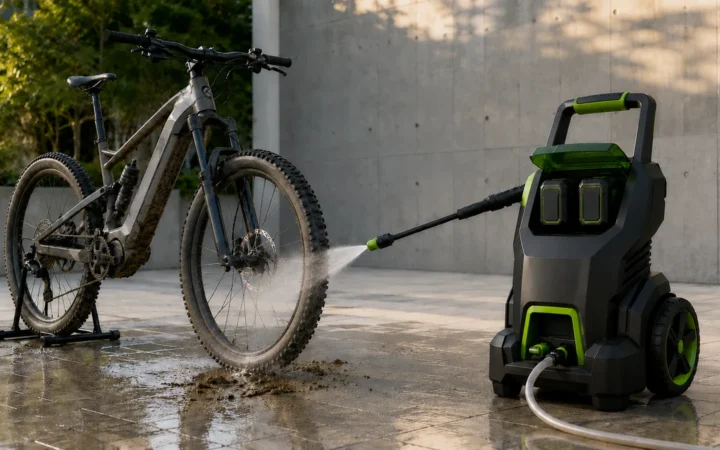
Users have used the SPX3000 to clean lawn mowers, grills, patio furniture and even outdoor toys. The 0° tip can remove caked mud from shovel blades or wheelbarrow tires. Because the unit is electric, you can safely clean near gardens without worrying about fuel spills.
Water conservation and efficiency
As noted earlier, pressure washers are more water‑efficient than hoses. A 30‑minute driveway cleaning uses roughly 60 gallons with a 2 GPM pressure washer but 180–300 gallons with a garden hose. When droughts or water restrictions are in effect, using a pressure washer like the SPX3000 helps conserve resources while still achieving excellent results.
Comparisons and Alternatives
SPX3000 vs. Greenworks electric models
FrediTech’s reviews of the Greenworks 60 V hybrid 3000 PSI pressure washer and the Greenworks GPW3002 electric pressure washer provide useful benchmarks. Both Greenworks models deliver higher maximum pressures (3,000 PSI) but at lower flow rates (1.1–2.0 GPM)freditech.com. These units are more expensive, but they offer brushless motors and hybrid or TruBrushless technology for extended run times. They are heavier and may be overkill for basic household tasks.
If you need more power for commercial jobs or stripping paint, a gas pressure washer may be appropriate. Gas models typically produce 2,500–4,000 PSI at 2.5–4 GPM, but they are louder, heavier, require fuel and emit exhaust fumesfreditech.com. Most homeowners will find the SPX3000’s 2030 PSI sufficient for cleaning decks, siding and vehicles while enjoying the convenience of electric power.
Upgraded Sun Joe variants
Sun Joe offers several variants of the SPX3000 platform:
- SPX3000‑XT1 (XTREAM) – a 13‑amp model rated at 2,200 PSI and 1.65 GPM with four detailing attachments (foam cannon, turbo nozzle, extension wand).
- SPX3000‑QW2 – similar to the base model but sold with different accessories like a quick‑connector kit.
- SPX4000 and SPX4001 – 14.5‑amp units with adjustable pressure settings (1,450 or 2,030 PSI) via a pressure select dial.
While the SPX3000 remains the most popular due to its price and balanced performance, these variants may appeal to users who need extra attachments or adjustable pressure.
Maintenance and Care Tips
Proper maintenance ensures your pressure washer runs reliably for years. Follow these tips:
- Inspect hoses and fittings before each use for cracks or damage; replace any worn parts.
- Use clean water and avoid drawing from dirty ponds or rain barrels; debris can damage the pump.
- Flush detergent lines by running clean water through the machine after using soap.
- Drain and store the washer in a frost‑free environment; freezing can crack the pump housing.
- Occasionally apply pump protector antifreeze solution if storing for extended periods.
- Keep the power cord dry and avoid kinks.
- Check and clean the spray nozzles with the supplied needle tool to prevent clogs.
Advantages and Disadvantages
Pros
- Strong cleaning power for an electric unit – 2030 PSI at 1.76 GPM handles most household tasks.
- Lightweight and portable – at 31 lbs, it’s easy to maneuver.
- Five nozzles and dual detergent tanks for versatility.
- Energy‑saving Total Stop System and electric motor mean low operating costs and no emissions.
- Affordable compared to gas units; replacement parts and accessories are widely available.
- Water‑efficient and eco‑friendly versus cleaning with a hose.
Cons
- Not suitable for heavy industrial jobs; persistent stains or paint stripping may require a more powerful gas washer.
- No onboard cord reel; you must manually wrap the power cord.
- Plastic fittings may require gentle handling to avoid cross‑threading or cracking.
- Requires electricity—remote or off‑grid jobs without access to an outlet may need a battery‑powered or gas alternative.
Frequently Asked Questions (FAQ)
Is the Sun Joe SPX3000 a good pressure washer?
Can the SPX3000 use hot water or be stored outside?
How does the SPX3000 compare to the SPX3000-XT1?
Does the SPX3000 have adjustable pressure settings?
What kind of detergent can I use?
Can I use the SPX3000 to clean my car?
Conclusion
The Sun Joe SPX3000 remains a top choice for homeowners seeking a powerful yet affordable electric pressure washer. Its 2030 PSI/1.76 GPM output, five quick‑connect nozzles, dual detergent tanks and Total Stop System deliver versatile cleaning performance without the hassles of gas engines. Third‑party reviews praise its ease of use, portability and effectiveness for decks, driveways, vehicles and more.
While not suitable for heavy industrial projects, the SPX3000 strikes an excellent balance of power, convenience, and value. If you need more performance or cordless freedom, consider alternatives like the Greenworks 60 V hybrid or GPW3002 (see FrediTech’s pressure‑washer reviews for details). But for most residential cleaning tasks, the Sun Joe SPX3000 will help you tackle dirty work faster and with less water—making outdoor maintenance almost enjoyable.
About the Author
Wiredu Fred is a technology and home‑improvement writer based in Ghana. He focuses on practical product reviews and how‑to guides. Fred has experience testing pressure washers, lawn equipment and smart‑home devices. He holds a degree in mechanical engineering and is passionate about helping homeowners make informed purchasing decisions.