
Introduction
Google’s Pixel 8 Pro is the 2023 flagship that marks a game-changing leap in smartphone photography and display technology. Launched in October 2023 at a starting price of $999 theverge.com, the Pixel 8 Pro brought a $100 price hike over its predecessor – and plenty of new features to justify it. This device exemplifies Google’s focus on AI-driven user experiences, from intelligent photography tools to personalized software features. It also boasts one of the brightest and most color-accurate displays on any phone, showcasing Google’s new “Super Actua” OLED technology for incredible HDR visuals androidauthority.com. In this comprehensive review, we’ll explore how the Pixel 8 Pro’s camera system, AI capabilities, and HDR display work together to set a new bar for Android phones. We’ll also examine its design, performance, battery life, and real-world usage to determine if this Pixel truly lives up to Google’s promise of an AI-powered flagship. (Spoiler: with seven years of updates promised theverge.com, it’s built to shine for the long haul.)

Overview and Key Features
The Google Pixel 8 Pro arrived as a refinement and bold step forward from the Pixel 7 series. It retains the Pixel family’s signature design (the horizontal camera bar and clean aluminum/glass build) but introduces meaningful upgrades across the board. Here are some key highlights:
- Tensor G3 Chip & AI – The Pixel 8 Pro runs on Google’s custom Tensor G3 processor, enabling advanced on-device AI features. It’s not the fastest chip on the market in raw benchmarks, but it’s optimized for machine learning tasks that power the phone’s smart features (more on performance later). Google doubled down on AI capabilities like Call Screen, Assistant voice typing, and new photo editing tools to differentiate the Pixel 8 Pro.
- Upgraded Camera System – Every camera on the Pixel 8 Pro is improved over the previous gen. It packs a 50 MP main sensor, a new 48 MP ultrawide (replacing the old 12 MP, enabling superior wide-angle shots and macro focus), and a refined 48 MP 5× telephoto lens with a brighter aperture theverge.com. There’s also a 10.5 MP selfie camera now with autofocus for sharper selfies blog.google. Backing the hardware is Google’s latest computational photography software and a suite of AI editing tools.
- Super Actua Display – Google introduced the “Actua” and “Super Actua” branding for its Pixel 8 series displays androidauthority.com. The Pixel 8 Pro’s 6.7-inch Super Actua OLED is Google’s brightest display yet blog.google. It offers QHD+ resolution (2992×1344, ~489 ppi), a smooth 120Hz LTPO refresh rate, and up to 2,400 nits peak brightness. This means exceptional clarity even under harsh sunlight, with vibrant colors and high contrast that make HDR photos and videos truly pop.
- Software and Updates – Shipping with Android 14, the Pixel 8 Pro benefits from Google’s Pixel-first software features and a clean Android experience. More impressively, Google committed to 7 years of OS upgrades, security patches, and Feature Drops for the Pixel 8 series theverge.com – an industry-leading support policy that “frankly, rules,” as The Verge put it. This ensures the Pixel 8 Pro will stay current with new Android versions all the way into 2030 blog.google, far outlasting most competitors in longevity.
- Design and Build – The phone sports a refined design with softer edges and a matte glass back blog.google. Notably, Google switched to flat display glass on the Pixel 8 Pro (no more curved edges on the screen), which many users appreciate for better ergonomics and less glare. The build uses polished aluminum framing and Gorilla Glass Victus 2 (front/back) for durability, and it’s IP68 rated for dust/water resistance (surviving 1.5m underwater for 30 minutes) androidpolice.com. We’ll dive deeper into design next.
- Battery and Charging – Powering everything is a 5,050 mAh battery that delivers all-day battery life under moderate use. Google improved power efficiency with the Tensor G3 and new OLED materials, so the Pixel 8 Pro typically makes it through a full day (and then some) on a charge thurrott.com. It supports 30W wired fast charging (though the inbox doesn’t include a charger) and up to 23W wireless charging with the Pixel Stand. While 30W is slower than some competing flagships’ super-fast charging, Google prioritized battery health and safety. In tests, a full charge is about ~90 minutes, which is an improvement of ~20 minutes over the Pixel 7 Pro’s charging time androidauthority.com.
With these core features in mind, let’s explore each aspect of the Pixel 8 Pro in more detail, starting with how it looks and feels.
Design and Build Quality

Google Pixel 8 Pro showing its front display and rear camera bar design. The Pixel 8 Pro maintains Google’s distinctive design language while refining it for a more polished, ergonomic feel. The phone’s chassis is aluminum with a high-quality matte finish on the back glass (except the camera bar, which remains glossy). The horizontal camera bar is still the centerpiece of the design, housing the triple camera lenses and flash in a black glass strip that spans the width of the phone. This bar not only gives the Pixel a unique identity but also prevents the phone from wobbling when lying flat. The Pixel 8 Pro’s camera bar has a slightly updated look (the sensors and LED are arranged a bit differently than on the Pixel 7 Pro), but overall it’s unmistakably Pixel.
One big change is that Google ditched the curved screen edges that the past two Pixel Pros had. The Pixel 8 Pro’s front glass is flat across, with just a slight 2.5D curve at the very edges. The Verge noted this makes it “easier to hold” and doesn’t detract from the Pixel’s character theverge.com. The flat display also means no more distorted content at the edges and simpler application of screen protectors – a welcome improvement for many users. The bezels around the screen are slimmer than before, though not completely edge-to-edge; there’s still a small uniform border, which actually helps avoid accidental touches.
Build materials are top-notch. The frame uses 100% recycled aluminum for sustainability, and the front and back panels are Gorilla Glass Victus (the toughest available in 2023). The device feels solid and premium in hand, with an IP68 rating ensuring it’s dust-tight and water-resistant enough for accidental dunks androidpolice.com. At 162.6 x 76.5 x 8.8 mm and ~213 g, the Pixel 8 Pro is a sizable phone, but its curved back and balanced weight distribution make it comfortable to handle. The new “Porcelain” white and “Bay” blue color options feature a matte glass texture that resists fingerprints, while the “Obsidian” black is glossy (and a bit more prone to smudges).
On the right side you’ll find the tactile power and volume buttons, and at the bottom the USB-C port (no headphone jack, as expected). Notably, on the back of the Pixel 8 Pro is a new sensor – a temperature sensor right next to the flash blog.google. This little circle is unique to the Pixel 8 Pro; it can measure the temperature of objects (aim it at a cup of coffee or your skillet to get a quick read). It’s a novel idea, but in practice somewhat limited. Google even hopes to get FDA approval to use it for body temperature via a dedicated Thermometer app, but as of now it’s more of a party trick than a must-have feature. Reviewers largely consider the temperature sensor gimmicky theverge.com – an extra that most users can live without. Fortunately, it’s unobtrusive and doesn’t affect the phone’s handling.
Overall, the Pixel 8 Pro’s design feels sleek, sturdy, and refined. It’s a natural evolution of the Pixel aesthetic: familiar (with that camera bar) yet more user-friendly (thanks to the flat display and refined ergonomics). The build quality and materials are on par with other $1000 flagships, and small touches like the colored aluminum frame and cohesive styling give it an understated elegance. If you appreciated the Pixel 7’s look, the Pixel 8 Pro will impress you even more with its subtle improvements in hand-feel and durability.
Super Actua Display – A New HDR Experience
Google made a big splash with the Pixel 8 Pro’s display, branding it the “Super Actua” display to emphasize its real-world clarity and brightness androidauthority.com. Marketing names aside, the specs speak volumes: it’s a 6.7-inch LTPO OLED with 2992×1344 resolution (QHD+), adaptive 120Hz refresh rate, and support for HDR10+ and Google’s new Ultra HDR image format. The Pixel 8 Pro’s screen is indeed superb – easily one of the best smartphone displays to date.
According to Google, this panel is their brightest ever, capable of up to 1,600 nits brightness for HDR content and a peak of around 2,400 nits in high ambient light androidauthority.com. In practical terms, it means the Pixel 8 Pro is exceptionally viewable outdoors. Even under direct sunlight, photos and text remain visible and colors stay true. Independent testing confirmed the Pixel 8 Pro’s screen is roughly 42–43% brighter than the Pixel 7’s was androidpolice.com, and even brighter than the iPhone 15 Pro’s (which peaks ~2,000 nits) and Galaxy S23 Ultra (~1,750 nits) from the same generation. This extra brightness, combined with excellent anti-reflective properties, gives the Pixel 8 Pro class-leading readability in harsh lighting dxomark.com.
Color accuracy is another strong suit. The Pixel 8 Pro earned top scores in display color fidelity – DXOMark tests showed it achieving a color sub-score of 164, one of the highest ever dxomark.com. The OLED panel produces rich, vibrant colors without veering into unrealistic saturation. HDR content looks especially stunning, with Ultra HDR images displaying expanded dynamic range (brighter highlights, deeper shadows) if viewed on the phone. Google’s implementation of Ultra HDR ensures images taken on the Pixel 8 Pro look “true-to-life” on the Super Actua screen blog.google. Even regular photos and videos benefit from the high contrast and deep blacks inherent to OLED – you get an immersive, punchy viewing experience.
The display also excels in other metrics: it has wide viewing angles with minimal color shift, a fast 120 Hz refresh that makes animations and scrolling buttery smooth, and an adaptive refresh rate that can dial down to 1 Hz to save power on static screens (always-on display, etc.). The resolution (~489 ppi) means everything is crisp. DXOMark ranked the Pixel 8 Pro’s display 3rd globally among all phones tested as of late 2023 dxomark.com – tied with a handful of other top-tier devices and even ahead of the iPhone 15 Pro/Pro Max (which scored 149 vs. Pixel’s 154). In summary, Google knocked it out of the park: readability (scoring 162) is virtually best-in-class, color accuracy is essentially perfect, and even things like touch responsiveness and motion rendering are excellent.
It’s also worth noting that the Pixel 8 Pro’s display is flat, which many find preferable for content consumption (no odd reflections or distortion at the edges). The glass is slightly raised with a chamfered edge protecting it. There is an under-display fingerprint scanner (optical) that’s snappy and reliable, and you have Face Unlock as well using the front camera – which now is secure enough for payments and banking apps theverge.com thanks to improvements in software (Pixel 8 Pro’s Face Unlock meets Android’s highest biometric class).
Whether you’re editing photos, binging HDR videos, or just reading articles, the Pixel 8 Pro’s display is a joy to use. Google’s “Super Actua” moniker may be a marketing play, but it reflects a tangible reality: this screen can “actuate” incredibly bright, vivid images that remain clear in any environment. It’s a foundational part of what makes the Pixel 8 Pro so impressive, especially when showing off the photos its powerful camera can capture.
Camera and AI-Driven Photography

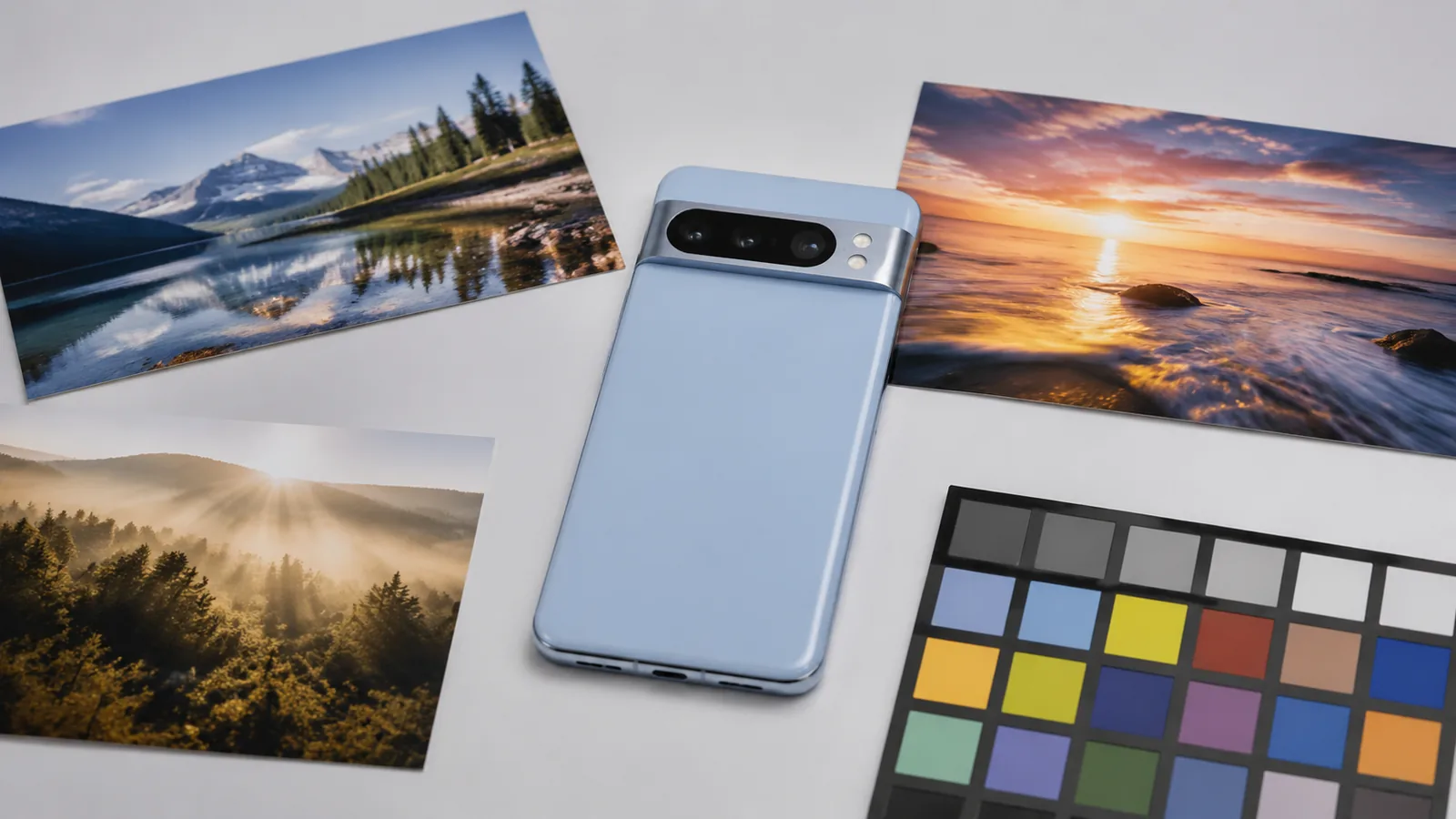
The Pixel 8 Pro in Bay blue features a triple rear camera system – a 50 MP main sensor, a new 48 MP ultrawide (also for macro), and a 48 MP 5× telephoto – all enhanced by Google’s AI-driven imaging software.If there’s one area where the Pixel series has consistently led, it’s camera performance through computational photography. The Pixel 8 Pro takes this to the next level, combining significantly upgraded camera hardware with Google’s most advanced AI photography features yet. The result is a phone that doesn’t just take great photos – it intelligently enhances and even reimagines them, earning the “game-changer” label for AI-driven photography.
Camera Hardware Upgrades
On paper, the Pixel 8 Pro’s camera array looks similar to the Pixel 7 Pro’s, but almost every component saw an upgrade:
- 50 MP Main Camera: The primary shooter is a 50 megapixel wide-angle sensor (around 1/1.3″ size) with an f/1.68 aperture lens and OIS. It’s the same resolution as before, but with tuned algorithms and the new Tensor G3 ISP, it captures better low-light photos and faster HDR processing. Daylight shots are excellent – crisp details, wide dynamic range, and Google’s signature contrasty look. In low light, this camera shines: Night Sight mode is faster and delivers even sharper results than on Pixel 7. Google claims improved low-light performance on the main camera, and indeed nighttime photos show less noise and more detail in shadows than before.
- 48 MP Ultrawide Camera: This is one of the biggest upgrades. The Pixel 8 Pro’s ultrawide is a 48 MP sensor (1/2.55″) with autofocus, replacing the older 12 MP sensor. This large sensor ultrawide captures more than 4× the pixels and much more light, dramatically improving ultrawide image quality, especially in low light dxomark.com. DXOMark found the Pixel 8 Pro’s ultrawide to be the most capable they had ever tested, maintaining high image quality even in dim conditions dxomark.com. It also doubles as the Macro Focus camera – you can get as close as ~2 cm to a subject, and the phone will automatically switch to the ultrawide for macro shots. The macro photos are extremely detailed now (48 MP and autofocus pays off); you can capture the texture of a flower petal or the intricate details of a watch with ease. This addresses a weakness of previous Pixels, bringing it on par or beyond rivals for close-up photography.
- 48 MP 5× Telephoto: The telephoto lens remains at 5× optical zoom, but Google improved it with a wider aperture (f/2.8 vs the Pixel 7 Pro’s f/3.5) theverge.com, allowing 56% more light in blog.google. This helps a lot in medium to low light zoom shots. The 5× telephoto produces sharp images with excellent detail up to its optical range. Using Google’s Super Res Zoom, you can go beyond 5× – up to 30× digital – and still get surprisingly usable images thanks to AI upscaling. While it can’t quite match the 10× optical lens on a Galaxy S23 Ultra for the farthest distances, the Pixel 8 Pro’s zoom is well-balanced and consistent across the range dxomark.com. Shots at 10× (which Google calls “Optical quality” due to sensor cropping techniques blog.google) look nearly as good as true optical, and even at 20×, the AI algorithms clean up a lot of the noise. For everyday scenarios – like snapping a distant sign or a candid from across the street – the telephoto absolutely delivers. In fact, Pixel 8 Pro was rated among the best for zoom in its class by DxO, particularly excelling at mid-range zoom and macro details dxomark.com.
- 10.5 MP Front Camera: The selfie camera got a modest upgrade. It’s now a 10.5 MP sensor (up from 10.8 MP, essentially the same count) but crucially, it has autofocus. This is a rare feature on front cameras and means group selfies or any selfie at varying distances are more likely to be in perfect focus. The lens is still ultrawide (for group shots) and can crop in for a tighter field of view if needed via software. Selfie quality is excellent in good light and decent in low light (Night Sight works on the front cam too). Video up to 4K60 is supported on the front camera as well.
Beyond the specs, the Pixel 8 Pro’s camera hardware is seamlessly integrated with Google’s software. The camera app got a redesign for this generation – a cleaner interface that makes it easy to switch modes. Plus, the Pixel 8 Pro uniquely offers “Pro Controls”, an on-demand manual mode for enthusiasts blog.google. With Pro Controls, you can adjust shutter speed, ISO, manual focus, and even capture full 50 MP RAW images from any lens – finally catering to those who want more creative control out-of-the-box. This was a welcome addition, essentially addressing the only gripe professional users had: now the Pixel can be used like a traditional camera if desired.
AI-Powered Photography Features
While the hardware lays the foundation, Google’s AI and computational photography are the secret sauce that make Pixel images special. The Pixel 8 Pro comes loaded with next-gen AI features that truly set it apart:
- Ultra HDR: The Pixel 8 Pro introduces Ultra HDR image capture, which preserves extended dynamic range information in photos. These images, when viewed on the Pixel 8 Pro’s display or other compatible screens, show more detail in highlights and shadows than standard photos. For instance, a bright sky won’t be blown out – you’ll see cloud texture and vibrance that normal HDR might miss. This happens automatically in the background, leveraging Tensor G3’s ISP to merge exposures in real time. (If you share the photo to a non-HDR device it will show a standard version, but on the Pixel’s display it looks brilliant theverge.com.)
- Best Take: This is a jaw-dropping new feature for group photos. How often do you snap several pictures of a group because someone is blinking or not looking? Best Take fixes that. When enabled, it takes a burst of images and then lets you swap faces after the fact to create one ideal shot. In Google Photos, you tap on each person’s face and choose a different expression from the series of shots. The Pixel then seamlessly composites the photo so everyone looks their best. The end result is a single image where, say, no one is blinking and everyone is smiling, even if that exact moment never actually happened in reality theverge.com. It sounds almost like cheating – and it is a form of AI magic – but for parents or group selfies, it’s a game-changer. Reviewers found it “technically creates a moment that never happened” yet achieves the dream group photo that we always aim for theverge.com. Google does label the image in metadata as AI-modified, but of course that metadata can be lost when sharing on social media. Ethical discussions aside, from a capability standpoint, Best Take is hugely impressive and works like a charm for its intended purpose.
- Magic Editor: Building on the popular Magic Eraser, Magic Editor uses generative AI to let you reposition subjects and alter backgrounds in your photos blog.google. For example, you can take a picture of a person at a landmark and move them slightly to a better spot in frame, or replace a dull gray sky with a golden sunset with just a tap. This goes beyond traditional editing – it’s using AI to reimagine parts of the photo. In the Photos app, you circle an object and you can then move it or change its size; or you can select the background and choose from preset scenes to swap in. It’s still labeled “experimental” and results can vary (simple edits work well, complex scenes can get some AI artifacts). But when it works, it feels like magic – literally moving objects in a photo or erasing large distractions effortlessly store.google.com. You could, for instance, make a person closer in a shot for better composition or remove an entire car from the background. Magic Editor leverages Google’s generative AI and runs mostly on-device. It’s one of those features you might not use daily, but when you have a special photo that isn’t composed perfectly, it can save the day.
- Magic Eraser & Face Unblur: These favorites from earlier Pixels return. Magic Eraser can remove unwanted objects or strangers from your shots with a tap – great for cleaning up a photo. Face Unblur automatically fixes faces that came out blurry (e.g. a moving toddler’s face) by using info from multiple frames – an unsung hero feature that can salvage shots that would otherwise be throwaways dxomark.com. Both work faster and better on the Pixel 8 Pro thanks to the newer chip.
- Audio Magic Eraser (for videos): The Pixel 8 Pro extends the “magic” to audio in your videos. With Audio Magic Eraser, you can reduce or remove certain sounds – for example, cutting out wind noise or background chatter from a video clip blog.google. It uses AI to separate audio into layers (like voices, wind, music) and lets you dial down the unwanted parts. This is a first-of-its-kind feature on a phone. Imagine a video of your kid’s school play – you could minimize the noisy crowd murmur so the performance is clearer. It works surprisingly well for consistent noises (like hum or wind); it struggles with isolating voices perfectly, but it’s a handy tool for polishing casual videos.
- Video Boost and Night Sight Video: Google’s focus wasn’t only on stills – they have some new tricks for video. Video Boost is an upcoming feature (rolled out after launch) that offloads video processing to Google’s data centers for heavy computation blog.google. Essentially, when you enable Video Boost on a clip, the phone uploads the video to Google’s cloud, where advanced algorithms (requiring more power than a phone has) will process it – adjusting colors, lighting, stabilizing and even reducing noise – then send back an upgraded video to your device. It’s like rendering your video on a supercomputer to get that final polished look. Part of Video Boost is Night Sight Video, which specifically improves low-light videos using similar techniques. Early testers noted that HDR video mode on the Pixel 8 Pro already showed better color and exposure than standard mode dxomark.com, but with cloud Video Boost, Google can push quality further (though it requires patience to get the result back). It’s an innovative approach to overcoming hardware limitations by using AI in the cloud.
The Pixel 8 Pro’s camera app neatly integrates these tools. After you take a shot, many of the edits (Best Take, Magic Editor) happen in Google Photos app rather than at capture time, giving you a sort of post-processing studio in your pocket. The philosophy is clear: with enough AI, no photo is final until you say it is. You can always tweak, fix, or completely alter elements of an image to better reflect the moment you intended to capture. It’s powerful, but also pushes us to consider the line between authentic and edited imagery.
Real-World Camera Performance
All these features sound great, but how does the Pixel 8 Pro perform in day-to-day photography? In short: it’s phenomenal. This phone earned one of the top spots in DXOMARK’s camera rankings, scoring among the very best thanks to consistently excellent results across all scenarios dxomark.com. Let’s break down typical use cases:
- Daylight and Landscape: In bright light, the Pixel 8 Pro is arguably the best camera phone you can carry dxomark.com. Photos are punchy and detailed. Colors are realistic with a bit of Google’s trademark pop (especially greens and blues). The dynamic range is outstanding – it nails tricky exposures like backlit subjects or bright skies without blowing highlights. And the detail is superb; the 50MP sensor (binned to 12.5MP output) plus sharp optics capture fine textures in leaves, buildings, you name it. In fact, DXOMark cited it as delivering the overall best results in bright light among peers. If you take a lot of travel photos or outdoor shots, Pixel 8 Pro will delight you. It’s one of those cameras where you press the shutter and reliably get a great shot, scene after scene.
- Low Light and Night Sight: Google’s Night Sight remains magic. The Pixel 8 Pro can take handheld photos in near darkness that look like they were taken with a tripod and long exposure. Thanks to larger sensor pixels, that brighter tele lens, and algorithm improvements, low-light photos have less noise and more accurate colors than before. Even without Night Sight, the main camera often captures a decent bright photo in dim indoor settings. With Night Sight (which now activates automatically in very dark scenes), you get bright, balanced photos with minimal blur. Shooting city scenes at night, the Pixel captures both the dark sky and bright building lights with ease. It can even do astrophotography (long exposure star shots) when steady. Night Sight Video (with Video Boost) further indicates how serious Google is about low-light – initial results show much clearer night videos than typical phone footage, though it’s a specialized use. Overall, for evenings, concerts, indoor events, the Pixel 8 Pro is a trusty companion that sees in the dark better than the human eye in some cases.
- Portraits: The combination of the large main sensor and Google’s computational bokeh gives excellent portrait shots. You can shoot in the dedicated Portrait mode or even edit an existing photo to add blur. The Pixel 8 Pro creates a pleasing depth-of-field effect, with creamy background blur and subjects that are sharp. Skin tones have improved in accuracy (Google worked on tuning to be more inclusive and true-to-life), and the edge detection around hair and faces is quite good, though like all software bokeh, it can occasionally miss bits. The natural optical depth from the big sensor also helps here. You can also toggle between 1x and 2x portraits; 2x uses a center crop of the main 50MP (which is effectively 12MP at 2x with no quality loss) to simulate a classic portrait focal length. These come out looking great, and you don’t have to step as close as with 1x.
- Zoom and Telephoto Use: Up to 5x optical, quality is outstanding. At 5x, the Pixel 8 Pro can capture distant subjects like wildlife or architectural details with clarity and without resorting to digital zoom. From 5x to ~10x, Google’s Super Res algorithm kicks in using information from both the tele and main sensor to interpolate detail. It works impressively – 10x shots are very usable, and even beyond, you’ll often get a decipherable image (great for, say, reading a far-away sign or capturing a moon that isn’t just a blurry dot). It’s not infallible – beyond 20x the images get watercolory – but it’s certainly one of the best zoom systems outside of the dedicated periscope monsters (and Pixel’s processing actually beats some higher optical zoom phones at intermediate ranges). For example, if you take a 10x photo at dusk, the Pixel will likely outperform another phone’s 10x if that phone doesn’t do as much multi-frame AI enhancement. The consistency across zoom ranges is a notable strength dxomark.com.
- Macro: As mentioned, macro shots on Pixel 8 Pro are night-and-day better than Pixel 7 Pro. You can get very close and still have a detailed shot. Flowers, insects, or small objects fill the frame nicely, and the autofocus ensures the subject is crisp (where older Pixel macro could be hit-or-miss focus-wise). The textures and fine details captured make the Pixel a fun tool for creative close-up photography – practically at the level of dedicated macro lenses.
- Video: Historically, Pixel phones were good but not top-tier in video. The Pixel 8 Pro changes that narrative. It can shoot up to 4K at 60fps on all cameras, and the quality is excellent. Daytime videos are detailed, with effective stabilization (either standard or an “Active” mode for heavy shake). Colors are natural, and thanks to HDR support, high-contrast scenes are handled better than before (sky isn’t blown out when filming a person outdoors, for instance). Google’s first attempt at HDR video is solid – videos have more vibrant highlights and balanced exposure when HDR is on dxomark.com. There is still room to improve: in very low light, iPhone’s video has less noise and better dynamic range (Apple has long led in video). Pixel 8 Pro video in super dark settings can show noise and slight focus hunting. However, Google’s aforementioned Video Boost aims to close that gap by post-processing. Standard videos of concerts, family moments, etc., come out great with the Pixel – and the Audio Magic Eraser means you can clean them up after (e.g., quiet the wind in your beach video). The stabilization is particularly worth praise: walking footage looks smooth, and even the telephoto can capture relatively stable video at 5x.
Overall, the Pixel 8 Pro’s camera system is remarkably versatile and reliable. It empowers both casual users (who can just tap the shutter and get fantastic results) and enthusiast photographers (who can dig into Pro controls or fine-tune in post with all the AI tools). The combination of top-tier hardware and Google’s cutting-edge computational photography yields images that often rival or exceed those from any other phone. As DxO’s review summed up, the Pixel 8 Pro achieved a position among the best camera phones because of its consistently high performance in all categories dxomark.com. It’s especially dominant in daylight and ultra-wide shots, and Google’s new AI features (while raising some debates) undeniably give users unprecedented creative power over their photos.
For users, this means the Pixel 8 Pro’s camera is not just a smartphone camera – it’s practically your smart photography assistant. It can fix problems, enhance moments, and even imagine scenes in ways traditional cameras simply cannot. This is where we see Google’s AI philosophy truly making an impact, and it’s what makes the Pixel 8 Pro a game-changer in photography.
(On the flip side, as The Verge pointed out, having such tools so easily available “poses serious ethical concerns” about the nature of truth in photos theverge.com. It’s a testament to how far technology has come that we need to have that conversation. But for most users, the immediate takeaway is that getting a great photo is easier than ever, even if what you see wasn’t exactly what the lens initially saw.)
For further insights on mobile photography techniques, check out our Mobile Photography Tips article.
Performance and Software
Under the hood, the Pixel 8 Pro is powered by Google’s Tensor G3 chip, paired with 12 GB of RAM. The Tensor G3 is a 4 nm octa-core SoC co-designed by Google, focusing less on brute-force benchmark performance and more on AI and machine learning efficiency. In day-to-day use, the Pixel 8 Pro feels fast and fluid: swiping through the interface is smooth (especially with the 120Hz display), apps open quickly, and multitasking is seamless. The 12 GB RAM ensures plenty of headroom for keeping apps in memory and for image/video processing tasks.
When it comes to raw performance, the Tensor G3 is roughly equivalent to a Snapdragon 8 Gen 2 in CPU tasks, and a bit behind in GPU tasks. High-end games run well, though the Adreno GPUs in Qualcomm chips or Apple’s A16 Bionic still have an edge in extreme scenarios. The Pixel 8 Pro can game comfortably – casual titles pose no problem, and even heavy 3D games are very playable, though you might not get the absolute highest frame rates that an iPhone could push. More importantly, Google optimized the chip to accelerate all those AI camera features and voice processing. This means things like Magic Editor, Best Take, on-device transcription, etc., happen faster and more efficiently on the Pixel than they would on other devices without Google’s AI silicon.
One thing to note: heat output. The Tensor G3, like its predecessors, can run a bit warm under load. If you’re navigating, uploading media, or playing a game for a while, the Pixel 8 Pro does get noticeably warm to the touch. The Verge observed that Tensor G3 “still runs hot occasionally” theverge.com. It’s not to say the phone overheats to the point of shutdown in normal conditions, but it does run warmer than the coolest Snapdragon-based phones. The heat is generally spread across the body (that aluminum frame helps dissipate it). In practical terms, this just means you’ll feel warmth during intensive tasks, and in some cases the phone might throttle performance slightly to keep temperatures in check. For most users in everyday use (browsing, messaging, photography), this isn’t an issue at all – the Pixel 8 Pro is snappy. Just be aware it’s not a phone that stays ice-cold under stress.
On the software side, the Pixel 8 Pro excels. It launched with Android 14 and will get updates through Android 21 and beyond (7 years of OS updates promised) theverge.com. The Pixel’s software experience is clean Android with useful Pixel-exclusive features:
- Pixel UI and Material You: You get Google’s vision of Android – no bloat, just useful additions. The theming engine matches your system colors to your wallpaper (Material You), giving a cohesive look. It’s smooth and polished.
- Feature Drops: Google rolls out new features to Pixels periodically. Owning a Pixel means your phone can gain new tricks over time. For example, a future Feature Drop could improve the camera or add new Assistant capabilities.
- Call Screening & Assistant: Pixels have the amazing Call Screen feature, which got even smarter on the 8 Pro. It can automatically answer unknown callers with a screening message and transcribe their reason for calling in real time. The Pixel 8 Pro’s Call Screen now uses a more natural AI voice and can filter out spammers more effectively – Google says it results in 50% fewer spam calls bothering you blog.google. It can even offer quick reply options for certain calls. This is a genuinely life-improving feature if you get a lot of robocalls.
- Voice Typing and Assistant with Bard: The Tensor G3 enables incredibly accurate Assistant voice typing – you can dictate messages naturally with proper punctuation, even using emoji by voice, and it’s fast. Looking ahead, Google announced that Assistant will integrate Bard (Generative AI), making it even smarter at answering complex questions. Pixel 8 series will be among the first to get “Assistant with Bard,” which could transform how we use voice on phones theverge.com. It’s not fully out yet, but the Pixel 8 Pro is ready for it.
- Security Features: The Pixel 8 Pro has the Titan M2 security chip for encryption and secure transactions. It also now supports Face Unlock for payments (meeting Android Class 3 biometric standard) theverge.com, which is a big convenience – you can use your face to authenticate banking apps or tap-to-pay, whereas previous Pixels limited face unlock to device unlock. This improvement makes face unlock much more useful and brings it on par with Apple’s Face ID in terms of functionality.
- Exclusive Apps: Pixel owners get perks like the Recorder app with live transcription (extremely handy for meetings or lectures), Pixel’s Car Crash Detection and Emergency SOS features, a VPN by Google One (Pixel 8 series get it free for extra security on networks), and others. Plus, things like Live Translate (real-time translation of speech or text) and Now Playing (ambient music identification on the lock screen) showcase Google’s AI flair.
All told, using the Pixel 8 Pro feels smart and streamlined. It’s Android at its best, with Google’s intelligence woven throughout in subtle ways that make daily tasks easier – whether it’s screening a call, summoning a quick summary of a web page (the new “Summarize” feature can TL;DR an article for you in the browser blog.google), or effortlessly fixing a photo. And crucially, with 7 years of updates, the Pixel 8 Pro’s performance and features should only improve over time. Google has basically ensured that this device will remain secure and gain new software capabilities up to 2030 blog.google, which is almost unheard of in the Android world. That long support is a huge plus for the Pixel’s value proposition and speaks to Google’s confidence in the hardware’s longevity.
In summary, while the Pixel 8 Pro’s Tensor G3 might not top the charts in raw speed, it’s perfectly capable for everything you’d want to do on a phone in 2023 and beyond. And it enables the kind of AI-driven experiences that define the Pixel. The phone feels fast and smart, and it’s backed by software support that gives peace of mind. Google has married its hardware and software here to deliver a device that truly showcases the best of Android’s present and future.
Battery Life and Charging
A flagship phone can have all the features in the world, but it needs to last the day. The Pixel 8 Pro, with its sizeable 5,050 mAh battery, does a solid job at keeping up. Battery life on the Pixel 8 Pro is comfortably all-day for the majority of users. With mixed usage (screen on for 5-6 hours doing social media, some camera use, web, messaging), reviewers have ended days with ~20% left in the tank reddit.com. Google’s tighter integration of hardware and software (and efficient OLED and LTPO screen) means when the phone is idle or doing light tasks, it sips power.
For context, the Pixel 8 Pro’s battery life is noticeably better than the Pixel 7 Pro’s was – users report an extra 1-2 hours of usage in similar conditions, thanks in part to the more efficient Tensor G3 and display panel. In a test by Tom’s Guide, the Pixel 8 (smaller model) lasted 9h50m on web browsing, over two hours longer than Pixel 7 did tomsguide.com, indicating Google made strides in optimization. The Pixel 8 Pro should yield slightly less time than the Pixel 8 due to the larger, higher-res screen, but it’s still an improvement generationally.
Under heavier use (e.g. an hour of GPS navigation, lots of camera shooting, or gaming), the Pixel 8 Pro can drain by evening – you might end a very intensive day near the red. For example, shooting a 4K video for an extended period or using the phone as a hotspot will eat battery faster (and warm it up). But for most typical patterns, expect 6-7 hours of screen-on time and a full day of use. Standby drain overnight is low, courtesy of Android’s Adaptive Battery and the Tensor’s machine learning that optimizes app usage.
When you do need to charge, Google supports up to 30W wired charging with USB Power Delivery (PPS). Real-world charging rates are a bit lower (around 21-23W peak observed reddit.com if using Google’s 30W charger), likely to manage thermals. This means a 0 to 50% charge in about 30 minutes, and about 80% in just under an hour. A full 0-100% takes roughly 80-90 minutes in tests androidauthority.com. That’s not blazing fast compared to some Chinese flagships that do it in 30 minutes, but it’s reasonable and notably faster than older Pixels. One positive aspect: the Pixel 8 Pro’s battery longevity is helped by the moderate charging speed – extreme fast charging can degrade batteries faster, so Google’s approach is a balance between speed and cell health.
For wireless charging, the Pixel 8 Pro supports the Qi standard and up to 23W on the Pixel Stand (2nd gen). On a generic Qi pad it’ll pull around 5-15W depending on the pad. If you use Google’s Pixel Stand, you also unlock a special “docked mode” with display features (photo frame, smart home controls) while it charges. Wireless charging is convenient, though slower – expect ~2 hours for a full charge on the Pixel Stand. Reverse wireless charging is also supported (Battery Share), meaning you can top up Pixel Buds or another Qi device off the back of the Pixel – a handy emergency feature, though slow.
A noteworthy improvement: Google improved battery efficiency in the Pixel 8 Pro via the new OLED materials and by fine-tuning background processes androidauthority.com. One report indicated the Pixel 8 Pro’s display at a given brightness consumes less power than previous gens due to newer emitters androidauthority.com. So, even though the screen is brighter when needed, it’s not a vampire on the battery at normal brightness.
In everyday terms, you won’t find the Pixel 8 Pro dying before evening in normal use. And if you’re a lighter user, you might stretch into a second day – especially with Adaptive Battery learning your habits over time. It’s not topping the endurance charts like some Snapdragon 8+ Gen1 phones (which were very efficient) or the latest iPhones (Apple’s chips are extremely power-efficient), but it’s in a good spot. As Thurrott summarized, the Pixel 8 Pro delivers all-day battery life – if barely under heavy use – and while it continues to lag the iPhone in this regard, it’s improved over its predecessors thurrott.com.
One more thing to mention: Battery health features. The Pixel 8 Pro includes settings like Adaptive Charging (which slows down charging overnight to 100% to preserve battery health if it knows your wake-up alarm) and extreme battery saver modes if you need to stretch life in a pinch. It’s clear Google expects you to keep this phone for many years (with that update promise), so these features help ensure the battery doesn’t wear out too quickly.
In summary, the Pixel 8 Pro is reliably a one-day phone, with some buffer. It charges fast enough for a quick top-up at mid-day if you somehow need it, and it supports all modern charging conveniences. You might not get multi-day endurance, but for a flagship with this performance and screen, Google strikes a fair balance on battery life that will meet the needs of most users without much anxiety.
For further insights into performance optimization, read our Guide to Smartphone Battery Optimization.
Conclusion
The Google Pixel 8 Pro represents a culmination of Google’s efforts in computational photography, AI integration, and user-centric design. It truly earns the title of a “Game-Changer in AI-Driven Photography and HDR Displays.” Over the course of this review, we’ve seen how the Pixel 8 Pro pushes boundaries in several key areas:
- Photography: The Pixel 8 Pro’s camera system is among the best on any smartphone, delivering stunning results in all conditions. More importantly, Google’s AI-powered features like Best Take, Magic Editor, and others fundamentally change what you can do with a photo after you’ve taken it. It’s no longer just point-and-shoot; it’s point-shoot-and-enhance. This phone empowers even casual users to achieve professional-level results or creative edits that used to require desktop software (or simply weren’t possible before). Whether you’re a parent wanting the perfect family photo or a creative looking to experiment, the Pixel 8 Pro offers unmatched photographic flexibility in your pocket. As DXOMark noted, its consistent excellence across photo, zoom, and video make it one of the top-ranked camera phones in the world dxomark.com. Simply put, it’s a camera that you can trust to capture the moment and make it shine.
- Display: With the Super Actua OLED, Google showed it can go toe-to-toe with the likes of Samsung and Apple in display tech – and even surpass them in some aspects. The Pixel 8 Pro’s screen is a delight for content consumption, providing brightness and clarity that ensure you see every detail of your HDR photos or Netflix movies exactly as intended. Its excellent color accuracy and smooth refresh make using the phone a pleasure for everything from reading to gaming. It’s not just about specs; it’s about the experience, and this display elevates the everyday experience of using the phone.
- AI and Software: Beyond cameras, the Pixel 8 Pro infuses AI into nearly every facet – from calls to typing to how you interact with info. It genuinely aims to be a helpful companion. And importantly, it’s built for the future with the 7-year update pledge theverge.com. That commitment means the Pixel 8 Pro will remain relevant and secure far longer than the typical Android phone. Owning it is an investment in a device that grows with you, continually getting new features and improvements through Google’s Feature Drops and Android upgrades. The clean, bloat-free software and Pixel-exclusive perks round out an experience that is arguably the best Android has to offer in 2023/2024.
- Design and User Experience: The phone looks and feels premium, and thoughtful changes like the flat display and matte back improve usability. It’s a large phone, but one that’s balanced and robust. Little touches like face unlock for payments, improved haptics, and Google’s personal safety features make using the Pixel 8 Pro feel convenient and confidence-inspiring. Google’s design ethos of “built for everyday life” really shows – it’s a phone that adapts to how you want to use it, rather than forcing you to adapt to the phone.
Of course, no device is perfect. The Pixel 8 Pro’s Tensor G3 still isn’t the coolest or most efficient chip under stress – power users might notice the device getting toasty with prolonged heavy use, and hardcore mobile gamers may not get the absolute top FPS. The battery life, while improved, is not class-leading – it’s good enough for a day, but not a two-day phone for most. And some of Google’s experimental features (like that temperature sensor) may feel unnecessary. Also, the $999 price point firmly places it in competition with the best from Apple and Samsung, which means some buyers will weigh the Pixel against the iPhone 15 Pro or Galaxy S23/S24 Ultra. In that comparison, Pixel holds its own (especially in camera and software experience), but ecosystem preferences and other factors come into play.
For those who value photography and an intelligent, uncluttered smartphone experience, the Pixel 8 Pro is an extremely compelling choice. It’s the kind of device that, as you use it, delights you with small “wow” moments – whether it’s realizing your phone just fixed a photo’s sky automatically or that you haven’t heard a spam call in weeks because Google is silently handling them. It’s tech that genuinely tries to improve your day-to-day, which is what Google has been promising with Pixel, and with the 8 Pro they’ve delivered on that promise better than ever.
In closing, the Google Pixel 8 Pro isn’t just an iterative upgrade; it’s a statement about where smartphones are heading. It blends AI smarts, top-tier hardware, and long-term support in a way few phones do. Even as newer models (Pixel 9, Pixel 10, etc.) come along, the Pixel 8 Pro will stand as a pivotal model where Google really hit its stride. Two years later, looking at devices like the Pixel 10 Pro XL with its even brighter screen and 100× zoom, we can trace the lineage back to the innovations that Pixel 8 Pro introduced. It set the stage by showing how AI can redefine mobile photography and how a great display can elevate all that content.
Is the Pixel 8 Pro a game-changer? In many respects, yes. It changes your expectations of what a phone’s camera should do and how much assistance your phone can provide in everyday tasks. Google has combined its strengths in software, AI, and hardware design to create a flagship that deserves a spot among the very best phones on the market. If you’re looking for a smartphone that offers cutting-edge camera capabilities, a gorgeous display, and the brains to make your life a bit easier, the Pixel 8 Pro should be at the top of your list.
Affiliate Offer
Ready to experience the future of smartphone technology for yourself?
Buy the Google Pixel 8 Pro Now
Click the link to explore exclusive deals and offers—your purchase helps support our in-depth reviews and content creation efforts.
Disclosure: As an Amazon Associate, FrediTech may earn from qualifying purchases at no extra cost to you.
Sponsored Google Pixel 8 Pro Deals
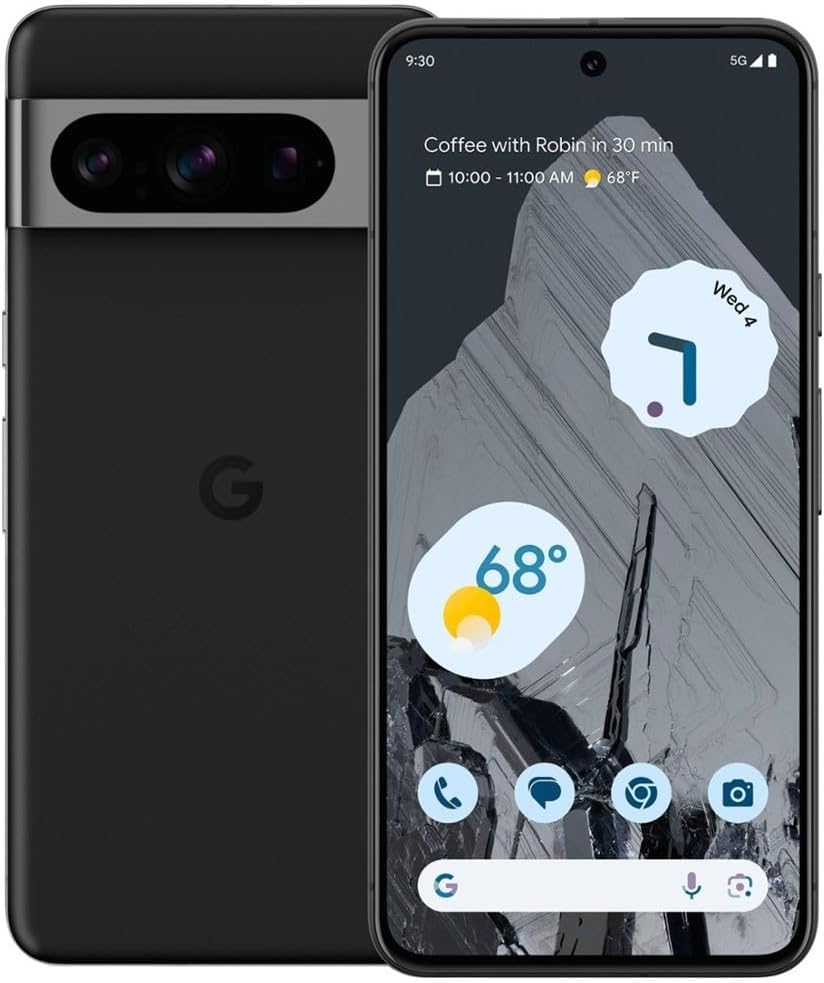
Google Pixel 8 Pro, 128GB Fully Unlocked Black (Renewed)
Explore this Google Pixel 8 Pro renewed deal on Amazon and compare current pricing, availability, and delivery options.
Powered by FrediTech
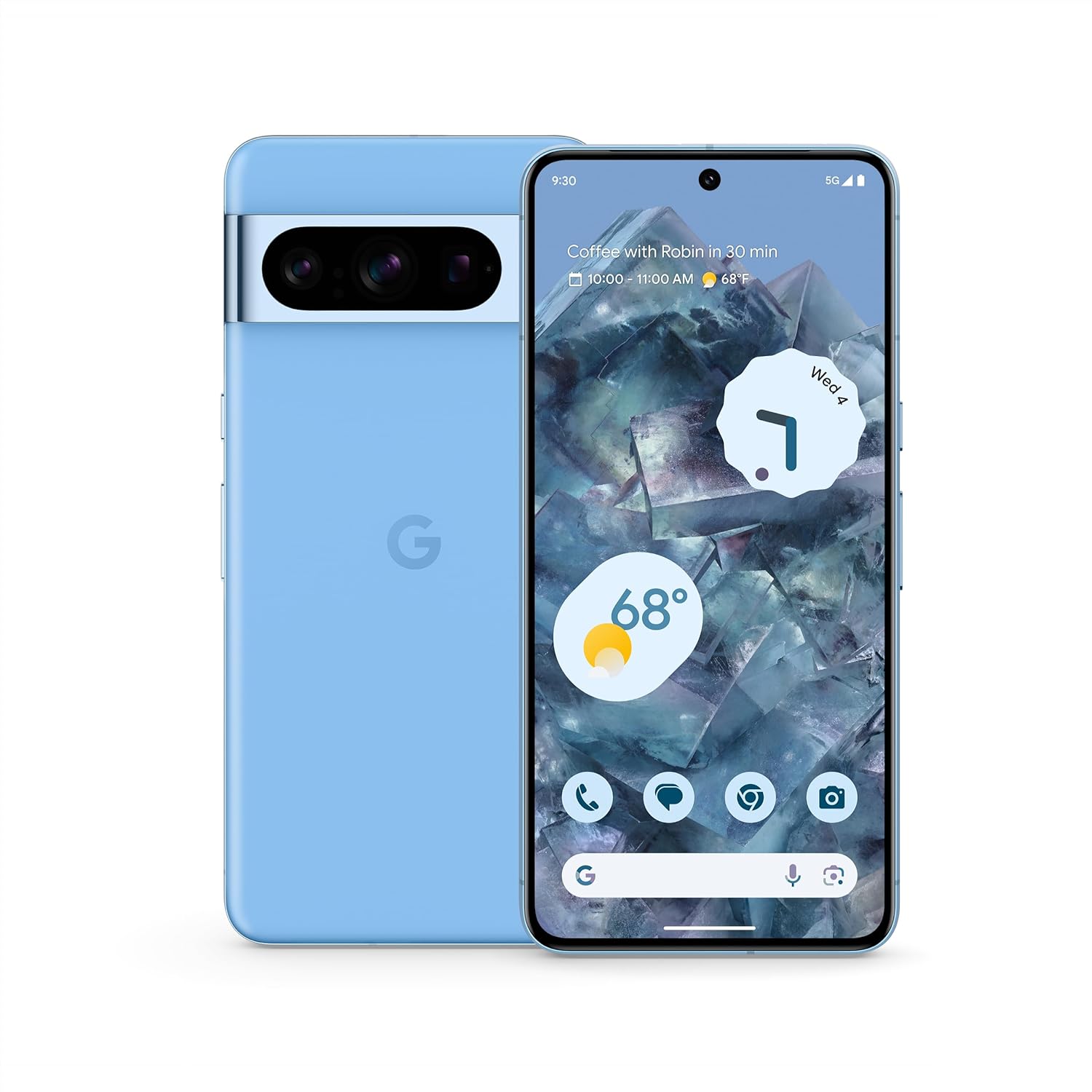
Google Pixel 8 Pro – Unlocked Android Smartphone, Bay, 128GB
Check the Google Pixel 8 Pro Bay edition with telephoto lens, Super Actua display, and 24-hour battery support.
Powered by FrediTech

Google Pixel 8 Pro – Unlocked Android Smartphone, Mint, 128GB
View the Pixel 8 Pro Mint edition with Google AI features, premium camera tools, and Super Actua display technology.
Powered by FrediTech
FAQ: Google Pixel 8 Pro
Is the Google Pixel 8 Pro worth buying?
If you prioritize an excellent camera, long software support, and a clean Android experience, the Pixel 8 Pro is absolutely worth considering. It offers best-in-class AI-driven photography features and a top-tier display, making it ideal for photography enthusiasts and power users alike.
At its $999 launch price, it competes with other flagships and holds its own by providing unique Google perks like Call Screening, 7 years of updates, and the latest AI features. For someone who wants a phone that will remain snappy and feature-rich for many years, the Pixel 8 Pro is a great investment.
However, if you are not too interested in the advanced camera or Google’s software features, or you need the absolute longest battery life or fastest chip, you may also compare it with alternatives. Overall, the Pixel 8 Pro delivers value for its premium price by excelling in the areas that matter most, especially the camera and software experience.
How does the Pixel 8 Pro’s camera compare to other flagship phones like the iPhone or Galaxy?
The Pixel 8 Pro’s camera is widely regarded as one of the very best on any smartphone from its release period. Its main strength is computational photography, helping it capture images with strong dynamic range, clear detail, and reliable exposure in challenging lighting.
In bright daylight, both the Pixel 8 Pro and iPhone 15 Pro Max take superb photos, but their image styles differ. Pixel photos often show more contrast and slightly deeper depth of field, while the iPhone may produce warmer colors and a more natural HDR look. In low light, Pixel’s Night Sight remains one of its biggest advantages, often producing bright and sharp images.
Compared with Samsung’s Galaxy S23 Ultra, the Pixel 8 Pro holds its own. Samsung offers stronger long-range optical zoom, but the Pixel often performs better in exposure, ultrawide shots, macro photos, and AI photo editing. The Pixel 8 Pro’s Magic Editor, Best Take, and AI-powered camera tools make it one of the most useful camera phones for everyday photography.
What is special about the Pixel 8 Pro’s display?
The Pixel 8 Pro uses Google’s Super Actua display, a premium OLED screen tuned for strong brightness, sharp resolution, smooth scrolling, and accurate colors.
- Brightness: It can reach up to 2,400 nits peak brightness in sunlight, making it one of the brightest smartphone displays from its generation.
- Color Accuracy: Colors look natural, vivid, and balanced without becoming overly saturated.
- Resolution and Smoothness: The 6.7-inch QHD+ OLED panel offers crisp details, while the LTPO 120Hz refresh rate makes scrolling and animations feel smooth.
- HDR and Ultra HDR: The display supports HDR10+ and Ultra HDR, helping photos and videos show brighter highlights, richer contrast, and deeper shadows.
In summary, the Pixel 8 Pro’s display is special because it is bright, color-accurate, high-resolution, and smooth, making it excellent for reading, streaming, gaming, and photo viewing.
How long will the Pixel 8 Pro receive software updates?
Google has pledged 7 years of software support for the Pixel 8 Pro. This includes Android OS upgrades, security updates, and Pixel Feature Drops.
Because the Pixel 8 Pro launched with Android 14 in 2023, it should continue receiving updates into 2030. This makes it one of the longest-supported Android phones and a strong choice for buyers who want to keep their phone for many years.
Is the Google Pixel 8 Pro waterproof?
The Pixel 8 Pro is water-resistant with an IP68 rating. This means it can handle common water-related accidents, such as rain, splashes, or brief submersion in fresh water.
However, IP68 does not mean you should intentionally use the phone underwater for long periods, especially in salt water or chlorinated water. Water resistance can reduce over time, and most phone warranties do not cover water damage. For everyday accidents, though, the Pixel 8 Pro offers strong protection.
What are the main differences between the Pixel 8 Pro and the regular Pixel 8?
Google launched both the Pixel 8 and Pixel 8 Pro, but the Pro model offers several important upgrades.
- Size and Display: The Pixel 8 Pro has a larger 6.7-inch QHD+ Super Actua display, while the Pixel 8 has a smaller 6.2-inch Actua display.
- Camera System: The Pixel 8 Pro has three rear cameras: a 50MP main camera, 48MP ultrawide camera, and 48MP 5× telephoto camera. The Pixel 8 has two rear cameras and no telephoto lens.
- Build and Design: The Pixel 8 Pro has a matte glass back and includes a temperature sensor, while the Pixel 8 has a glossier finish and no temperature sensor.
- Performance: Both use the Tensor G3 chip, but the Pixel 8 Pro includes 12GB RAM, compared with 8GB RAM on the Pixel 8.
- Battery: The Pixel 8 Pro has a larger 5,050mAh battery, while the Pixel 8 has a smaller battery.
- Price: The Pixel 8 Pro launched at a higher price because it includes more advanced display, camera, and memory features.
In essence, the Pixel 8 Pro is the better choice for users who want the most complete Pixel experience, especially if camera versatility, a larger screen, and long-term performance matter most.
Author: Wiredu Fred is an experienced technology writer and the editor of FrediTech. He has a background in mobile technology and has reviewed numerous smartphones and gadgets over the years. His focus on in-depth analysis and real-world testing provides readers with honest insights into the latest tech products.