
Quick answer
The Garmin Fenix 7 is still a capable outdoor and multisport GPS watch in 2026, but it is no longer Garmin’s current flagship. Its strongest reasons to buy are the sunlight-readable MIP display, long battery life, offline mapping, Garmin Pay, music storage and mature training platform—especially when the price is substantially below newer Fenix models.
The current flagship family is the Fenix 9 and Fenix 9 Pro, introduced in August 2026. Buyers who want Garmin’s newest display, mapping, training and connectivity features should compare the Fenix 7’s actual street price with newer alternatives before buying.
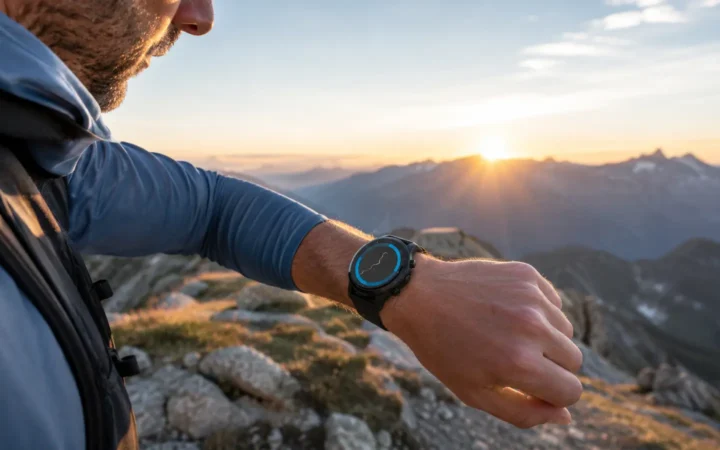
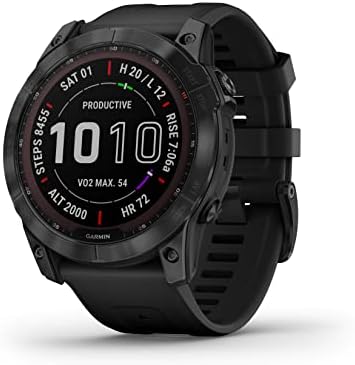
The Garmin Fenix 7 launched in 2022 as a rugged premium multisport GPS smartwatch for runners, hikers, cyclists, swimmers and outdoor users. Several years later, its core strengths remain relevant: dependable navigation tools, physical buttons plus touchscreen control, a power-efficient memory-in-pixel display, long battery endurance and a deep Garmin training ecosystem.
What has changed is the market around it. Garmin followed the original Fenix 7 with the Fenix 7 Pro, then the Fenix 8 in 2024 and the Fenix 9 family in August 2026. That means the Fenix 7 should now be judged primarily on value, not on whether it has Garmin’s newest hardware.


In this guide
Garmin Fenix 7 Specs at a Glance
| Feature | Fenix 7 Standard, 47mm |
|---|---|
| Display | 1.3-inch sunlight-visible transflective MIP, 260 × 260 |
| Controls | Five-button interface plus touchscreen |
| Case | 47 × 47 × 14.5mm; fiber-reinforced polymer with metal rear cover |
| Weight | 79g with band; 56g case only |
| Water rating | 10 ATM |
| Storage | 16GB on the standard 47mm model |
| Smartwatch battery | Up to 18 days |
| GPS-only battery | Up to 57 hours |
| Payments | Garmin Pay, subject to participating banks/regions |
| Music | On-watch music storage and supported music services |
Those figures apply to the standard 47mm Fenix 7. Battery, lens material, storage, satellite features and solar support vary across Fenix 7S, Fenix 7, Fenix 7X, Solar, Sapphire Solar and Pro editions.
GPS and Navigation Remain Major Fenix 7 Strengths
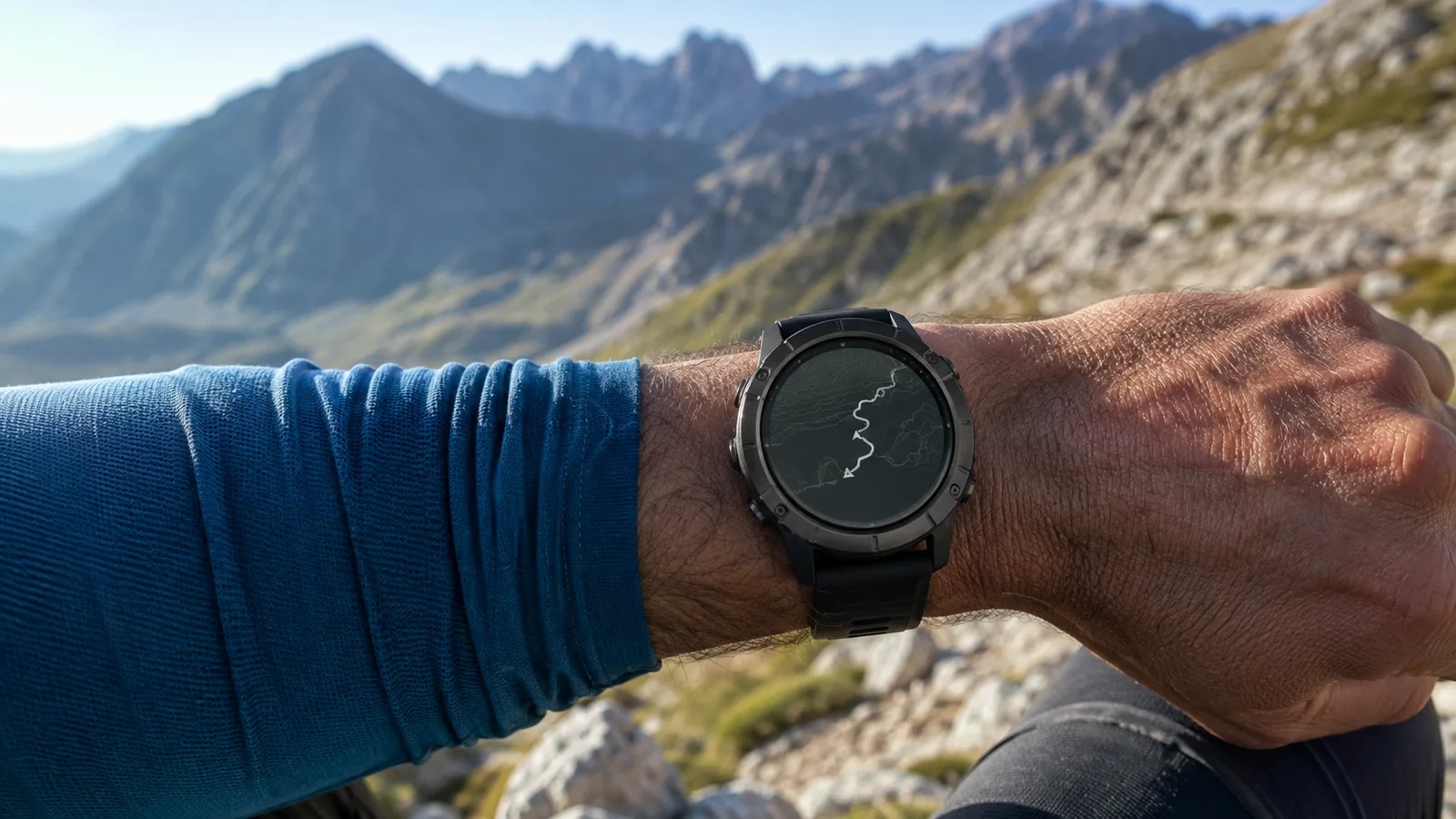
The Fenix 7 supports multiple satellite systems and full outdoor navigation features, including courses, routing, TracBack, altimeter, barometer and compass data. Garmin’s current Fenix 7 manual still supports TopoActive map downloads through Map Manager, while premium Outdoor Maps+ content is available by subscription.
Multi-band satellite reception is not identical across every original Fenix 7 edition. Garmin’s current product pages specifically identify Sapphire Solar editions as including multi-band technology and preloaded TopoActive maps. Fenix 7 Pro models later expanded the positioning package with SatIQ and multi-band reception more broadly across the Pro line.
Buying tip
If GPS accuracy in difficult environments is a priority, check the exact edition name before buying a used or discounted Fenix 7. “Fenix 7” alone does not tell you whether the watch has Sapphire, solar or multi-band support.
Battery Life Is Still One of the Best Reasons to Buy
Garmin’s current owner manual rates the 47mm Fenix 7 at up to 18 days in smartwatch mode and 57 hours in GPS-only mode. With solar, the comparable figures rise to up to 22 days and 73 GPS hours under Garmin’s specified solar conditions.
The smaller 42mm Fenix 7S is rated at up to 11 days in smartwatch mode, while the 51mm Fenix 7X reaches up to 28 days. Solar can extend those figures, but it should be treated as a battery supplement rather than a substitute for charging. Actual endurance changes with GPS settings, Pulse Ox, notifications, music, maps, backlight use and connected sensors.
This remains one of the Fenix 7’s most attractive qualities in 2026. Users who prefer an always-visible MIP screen and long intervals between charges may still prefer it to a brighter AMOLED watch, especially for multi-day outdoor use.
Training, Sports and Health Features
Fenix 7 supports a broad range of running, cycling, swimming, hiking, skiing, golf, strength and multisport profiles. Garmin has also added features to the platform over its life, so older “60+ sports” descriptions are no longer a useful way to judge the watch. What matters more is whether the specific activity profile and metrics you need are present.
Core tools include training status, training readiness, race-related metrics, real-time stamina, sleep score, Body Battery, wrist-based heart rate, Pulse Ox, stress tracking and recovery-related insights. Pulse Ox and other wellness metrics are not substitutes for medical diagnosis.
The original Fenix 7 and the later Fenix 7 Pro should not be treated as identical. Garmin says Pro models add a newer-generation heart-rate sensor, ECG support on eligible configurations and regions, and an LED flashlight across all three Pro case sizes.
Smartwatch Features: Useful, but Not Phone-Free Cellular
The Fenix 7 can display smartphone notifications, sync through Garmin Connect, store music for playback to Bluetooth headphones and use Garmin Pay where supported. Compatible editions can download playlists from supported services such as Spotify, Deezer and Amazon Music for phone-free listening.
What it does not have is the speaker-and-microphone experience introduced on Fenix 8, or the optional LTE and satellite inReach connectivity now available on selected Fenix 9 Pro configurations. Fenix 7 safety features such as incident detection and assistance generally depend on a paired compatible phone.
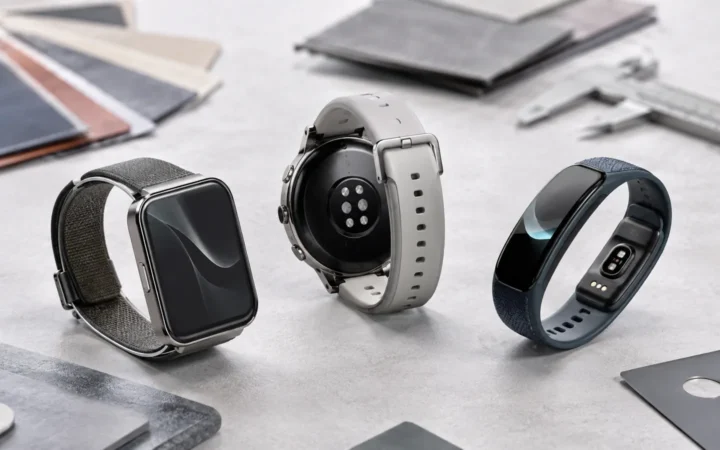
Fenix 7S vs Fenix 7 vs Fenix 7X—and Where Pro Fits
| Model | What changes most | Best fit |
|---|---|---|
| Fenix 7S | 42mm case, smallest battery | Smaller wrists and lower weight |
| Fenix 7 | 47mm middle size | Best balance of screen, battery and wearability |
| Fenix 7X | 51mm case, longest battery; original 7X introduced the integrated flashlight | Maximum endurance and large-screen users |
| Fenix 7 Pro family | Newer HR sensor, flashlight across all sizes, multi-band/SatIQ positioning and additional Pro features | Buyers who want the most capable Fenix 7-generation hardware |
Lens and material choices matter too. Solar models use Power Glass, while Sapphire Solar editions use Power Sapphire and add premium positioning and mapping features. Always verify the exact suffix before comparing prices.
Fenix 7 vs Fenix 8 and Fenix 9 in 2026
Fenix 8, introduced in 2024, added AMOLED options, a built-in speaker and microphone, dive capability to 40 meters, leakproof buttons and a newer map interface while retaining solar-display options on selected sizes.
Garmin then introduced Fenix 9 and Fenix 9 Pro in August 2026. Garmin says Fenix 9 starts at $999.99, while Fenix 9 Pro starts at $1,099.99. The newer family adds faster mapping, more storage and newer training features, while selected Pro models introduce phone-free LTE and satellite inReach connectivity.
2026 context
Fenix 7 is now an older-generation value option. Do not pay a near-current-generation price for it simply because the original MSRP was high. Compare the exact Fenix 7 edition, warranty status and seller price with Fenix 8 clearance offers and current Fenix 9 pricing.
Is Garmin Fenix 7 Still Worth Buying?
FrediTech buying verdict
Yes—when the price is right. Fenix 7 remains a serious GPS multisport watch with strong mapping, long battery life, Garmin’s mature training platform, music, payments and a rugged 10 ATM design.
It is most compelling for buyers who actively prefer MIP battery efficiency or can get a well-specified Solar, Sapphire Solar or Pro edition at a meaningful discount. If the price approaches newer Fenix 8 or Fenix 9 models, the older watch becomes much harder to recommend.
Buy Fenix 7 if:
- You want long battery life and an always-visible MIP display.
- You need maps, navigation and serious multisport tracking more than smartwatch-style voice features.
- You find a verified edition at a strong discount.
- You prefer physical buttons but still want touchscreen map interaction.
Consider Fenix 8 or Fenix 9 instead if:
- You want AMOLED, newer interface design or newer training features.
- You need a speaker and microphone, dive-focused hardware or newer mapping.
- You want the longest remaining product runway.
- You are already spending close to current-generation Fenix pricing.


Frequently Asked Questions
How long does the Garmin Fenix 7 battery last?
Garmin rates the 47mm Fenix 7 at up to 18 days in smartwatch mode and up to 57 hours in GPS-only mode. Solar editions can extend those figures under Garmin’s specified sunlight conditions.
Does every Fenix 7 have multi-band GPS?
No. Multi-band support varies by edition. Garmin specifically lists it on original Sapphire Solar models, while the later Fenix 7 Pro family expands multi-band/SatIQ positioning more broadly.
Does Fenix 7 have offline maps?
Yes. Fenix 7 supports TopoActive maps and route navigation. Map preload and download behavior vary by edition, with Sapphire Solar models sold with preloaded TopoActive maps.
Can Fenix 7 play music without a phone?
Yes. Compatible Fenix 7 editions support on-watch music storage and downloads from supported services, with playback through Bluetooth headphones.
Does Fenix 7 have a touchscreen?
Yes. The Fenix 7 generation combines Garmin’s five-button controls with a touchscreen interface.
Is Garmin Fenix 7 waterproof?
Garmin gives the Fenix 7 a 10 ATM water rating. It is better described as water-rated rather than “waterproof,” because permitted use still depends on Garmin’s rating guidance and the condition of the watch.
What is the difference between Fenix 7 and Fenix 7 Pro?
Fenix 7 Pro is the later refresh. Garmin added a newer heart-rate sensor, built-in LED flashlight across all Pro sizes, multi-band/SatIQ positioning and other updated features. ECG availability depends on eligible hardware, region and software support.
Is Fenix 7 still worth buying in 2026?
It can be, especially for buyers who prioritize battery life, MIP visibility, maps and Garmin training features. The key is price: Fenix 9 is now Garmin’s current flagship, so an older Fenix 7 should offer a meaningful value advantage.